
What Every Couple Needs to Know
A guide to planning around the most unpredictable part of your big day
There is a reason Vermont keeps topping the lists for most beautiful wedding destinations in the country. The mountains, the foliage, the covered bridges, the way the light hits a meadow in late afternoon. It is genuinely magical. And it is genuinely unpredictable.
Vermont weather does not care that you have been planning this day for two years. It does not care that your photographer is known for dreamy outdoor portraits or that your florist spent three weeks designing a ceremony arch that belongs in the sunshine. Vermont weather just does whatever it wants.
As someone who has been planning weddings here for over 16 years, I have seen it all. A sunny morning that turned into rain by cocktail hour. A July wedding so hot that candles melted before the first course. A May weekend that felt like ski season. And a November wedding where the temperature hit 70!
The couples who have the best experiences are the ones who planned for it. Here is what you need to know.
Understanding Vermont’s Four Seasons (and the Season Between Seasons)
Vermont does not really have four seasons. It has six. And if you are planning a wedding here, you need to understand what each one actually looks like, not just what the Instagram version looks like.
Spring (Late April through May)
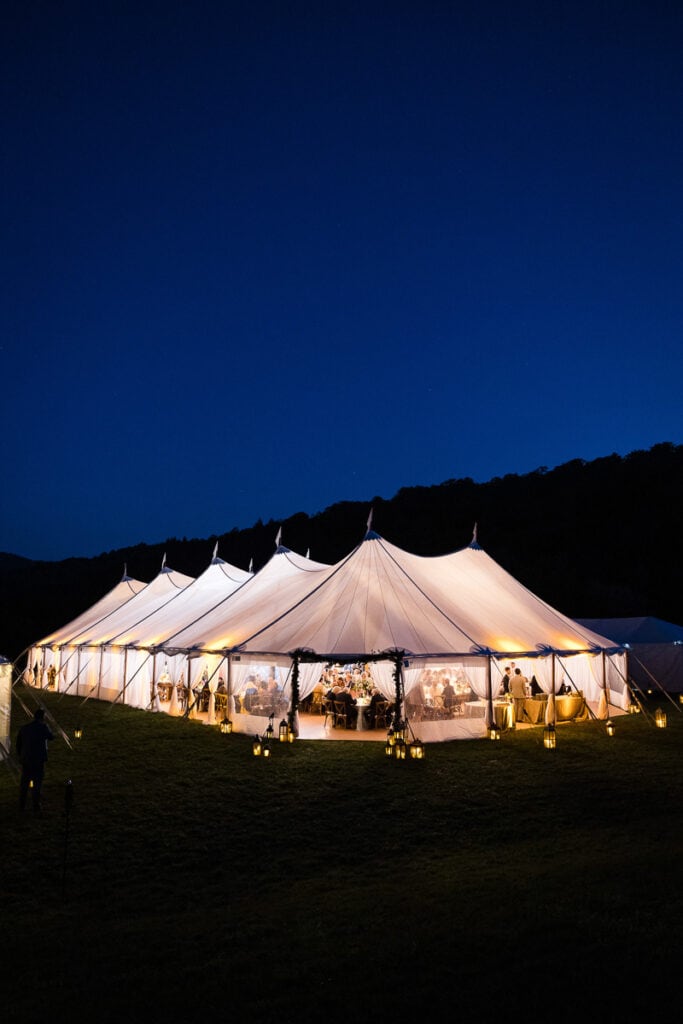
This is mud season. It is also green season, wildflower season, and “the forecast said 50, but it is actually 35 and raining” season. Venues are lush and gorgeous. Roads and fields can be soft and wet. Tented weddings during this time need serious flooring. Rain is a real and frequent guest.
Best for: Couples who love moody, romantic vibes and have a full contingency plan in place.
Early Summer (June)
June in Vermont is stunning. Warm days, cool evenings, lush green everywhere. It is also one of the most popular months, which means venues book early and prices reflect that. Expect the occasional thunderstorm, especially in the afternoon.
Best for: Couples who want classic Vermont summer beauty with manageable temperatures.
Peak Summer (July through August)
July and August can be hot. Like, legitimately hot and humid. If your venue lacks adequate shade or air conditioning, factor that into your planning. Outdoor ceremonies in direct sun at 2 pm are uncomfortable for guests and brutal for anyone in a suit or a full gown.
Best for: Couples who want maximum daylight, are planning evening ceremonies, or have shaded outdoor spaces.
Fall (September through mid-October)
This is the season everyone pictures when they think of Vermont. Peak foliage usually hits between late September and the second week of October, but it varies every year and is impossible to predict exactly. Temperatures can range from the 30s to the 70s in the same week. Morning fog is common and honestly gorgeous. Evening temperatures drop fast.
Best for: Couples who want drama, color, and cozy elegance. Just build in layers and have heat available.
Late Fall (mid-October through November)
Once the leaves drop, Vermont takes on a quiet, skeletal beauty that is genuinely underrated. Temperatures are cold. Snow is possible. The crowds are gone, and venues are often more available and affordable.
Best for: Couples who want an intimate, moody, non-traditional aesthetic with fewer logistics battles.
Winter (December through March)
Snow. Cold. Magic. Also: road closures, power outages, and guests who cannot drive. Winter weddings are breathtaking when they work, and logistically complex almost always. They require a much higher level of contingency planning.
Best for: Couples who are fully prepared, have local vendors, and have a warm venue locked in as the primary space.
“The goal is not to control the weather. The goal is to make sure the weather cannot control your day.”
The Non-Negotiable: You Need a Weather Contingency Plan
I do not care if you are getting married on the most historically sunny day in Vermont history. You need a contingency plan. Full stop.
Here is what that actually looks like in practice:
1. Know your venue’s backup options before you sign.
Before you book any outdoor or tented venue, ask directly: “What happens if it rains?” and “What happens if it is unseasonably cold?” Get specific answers. Is there an indoor option? Is there a barn? Can the tent be sided? Does setting up the tent cost extra? Who makes the weather call, and when?
2. Make the call early enough to matter.
One of the biggest mistakes I see is waiting too long to activate a backup plan. By the time you decide to add tent walls at 7 am the morning of, your vendor team has already set up without them. The weather call should happen no later than 48 to 72 hours out, and sometimes earlier, depending on what needs to move or change.
3. Communicate with your guests.
If the weather looks questionable, your guests deserve a heads-up. A quick note on your wedding website or a text to your wedding party with what to expect and what to wear goes a long way. No one wants to show up in strappy sandals in a muddy field.
4. Talk to your vendors about their weather protocols.
Your caterer, florist, and rental company all have weather-related policies. Some charge extra for same-day changes. Some have minimum notice requirements. Know this in advance so nothing surprises you the morning of.
What to Actually Budget for Weather Preparedness
Weather planning is not free, and couples who do not factor it in get hit with unexpected costs at the worst possible time. Here is a realistic breakdown of what to think about:
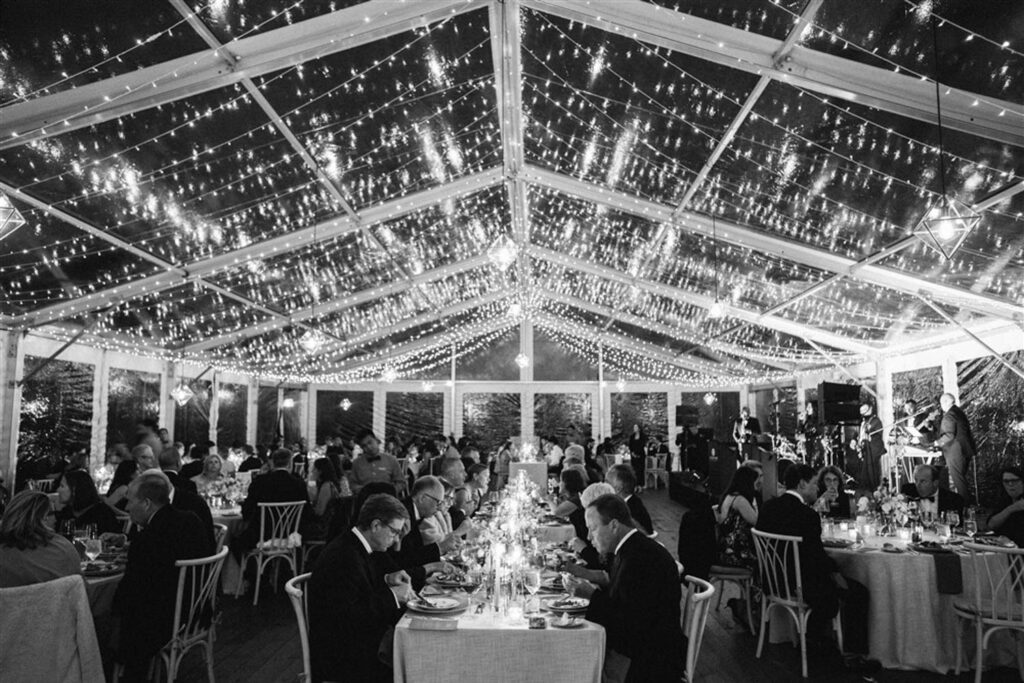
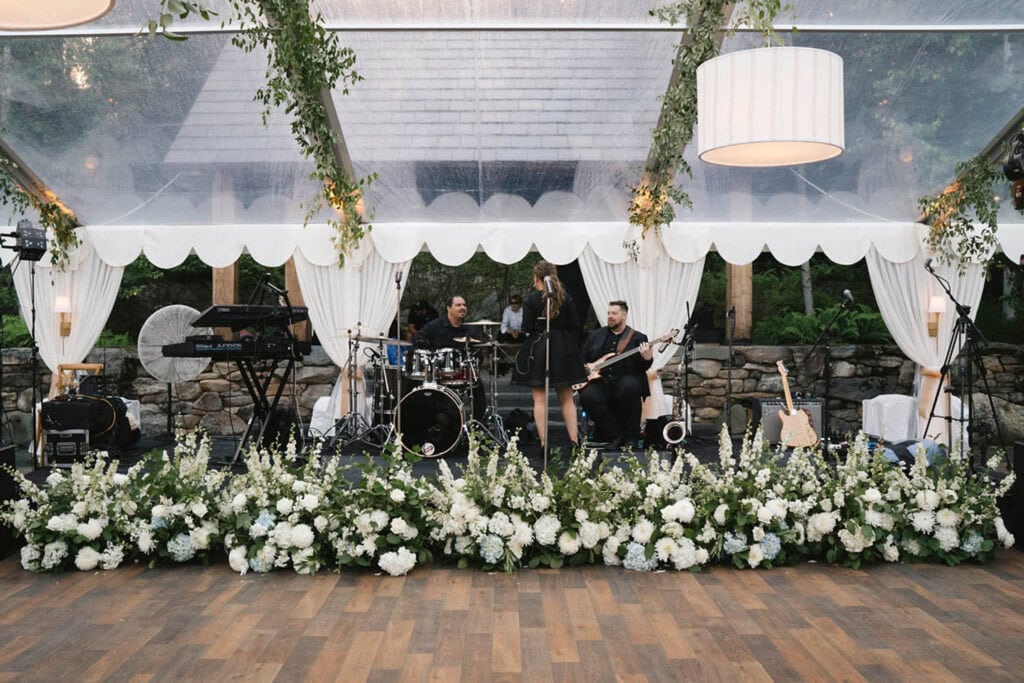
- Tent sides and walls: If you are doing a tented wedding, ask about the cost to add sides. This is typically separate from the tent rental and can range from a few hundred to over a thousand dollars, depending on the size.
- Flooring: Essential for rainy or muddy seasons. Proper flooring protects your guests, your vendors, and your aesthetic. It is not optional for spring and fall tented weddings.
- Heaters: Propane heaters for tents and outdoor spaces are a must for anything from October onward, and honestly recommended for June evenings too. Budget for both the rental and the propane.
- Umbrellas: A set of clear or neutral umbrellas available for guests during an outdoor ceremony is a small, thoughtful touch that costs very little and makes a big impression.
- Towels and dry gear: For your wedding party and vendors working in the rain. Practical and appreciated.
- Generator backup: For outdoor venues without reliable power, especially in winter, a generator is not a luxury.
How to Lean Into the Weather Instead of Fighting It
Here is my favorite piece of advice for every couple anxious about Vermont weather: some of the most beautiful wedding photos I have ever seen were taken in the rain.
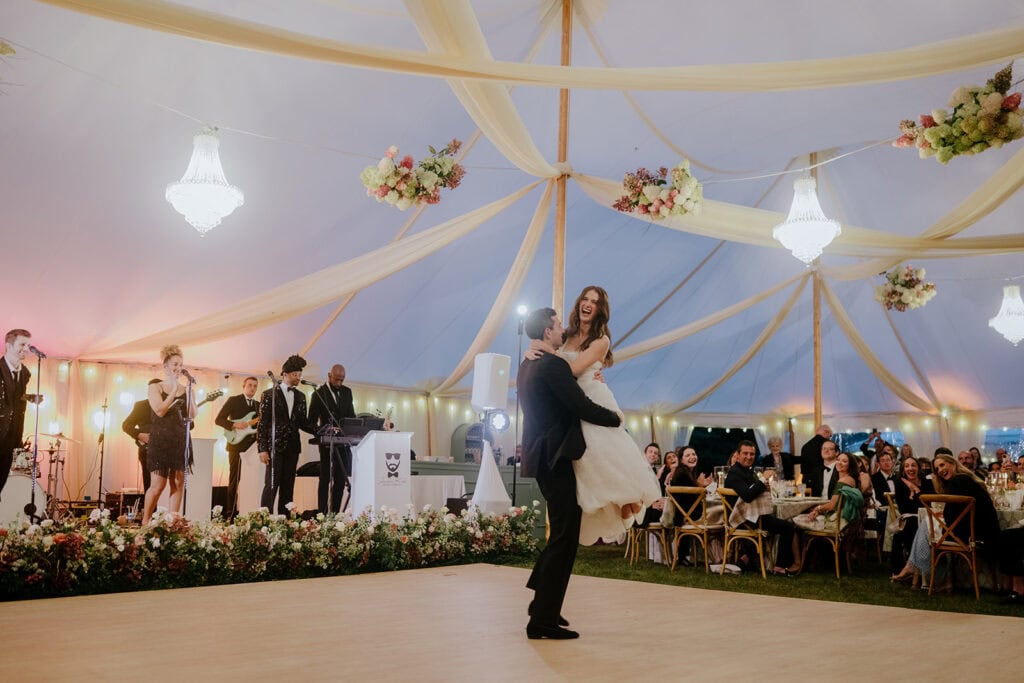
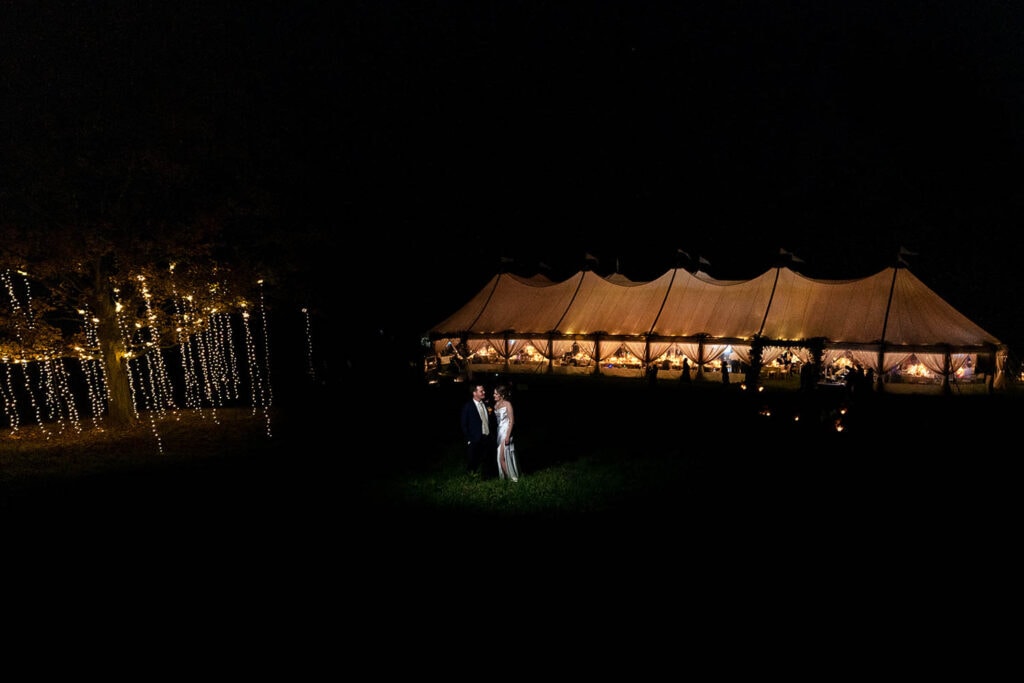
Moody skies. Fog rolling off the mountains. The warm glow of a tent while rain patters on the roof. Couples laughing under an umbrella. These are not consolation prizes. These are real moments.
The couples who thrive are the ones who decide early that, whatever the weather brings, they will find the beauty in it. Your planner and your vendors are there to handle the logistics, so you do not have to. Your job is to show up and be present.
A few things that help with this mindset shift:
- Talk about it with your partner before the wedding. Decide together that you will call it an adventure.
- Trust your vendor team to adapt. That is what we are here for.
- Have one person on your team designated as the weather point of contact so you don’t have to field 20 texts from worried family members.
- Remind yourself what the day is actually about. The weather is the backdrop. Love is the main event.
“Vermont is not easy. It is extraordinary. And it is worth every ounce of planning it takes.”
Final Thoughts from Someone Who Has Done This a Few Times
I have planned weddings in every season Vermont has to offer. I have seen couples devastated by the weather and couples who laughed through it. The difference was almost never the weather itself. It was the planning, the attitude, and the team around them.
If you are planning a Vermont wedding, do it with your eyes open. Understand the season you are choosing. Build a real contingency plan. Budget for weather preparedness as a line item, not an afterthought. And then let yourself be excited about it, because Vermont is one of the most stunning places in the world to get married.
The mountains do not promise perfect weather. They promise something better: a backdrop that is always beautiful, no matter what the sky decides to do.
Ready to start planning your Vermont wedding? Let’s talk. Reach out directly to start the conversation with me!